
Shuckin' Shack's Hybrid Bar Model Redefines Coastal Dining
Shuckin' Shack's Hybrid Bar Model Redefines Coastal Dining
Consumers are showing more interest in flexible, experience-driven concepts, and the seafood restaurant franchise delivers the quality, menu diversity and hospitality they want.
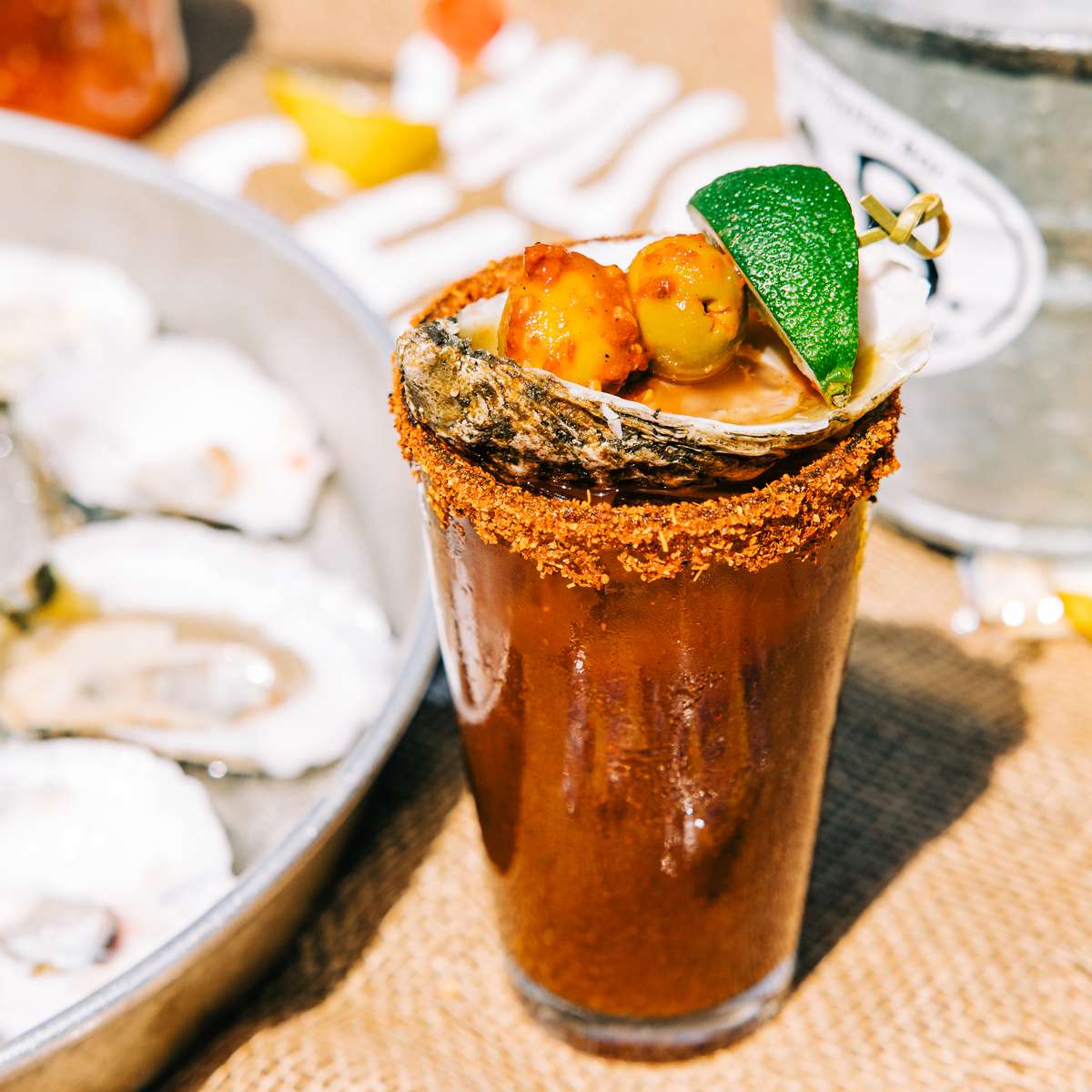
As the restaurant industry has grown, many concepts are becoming increasingly specialized. While specialization can improve quality and menu innovation, it can also force guests into an either/or choice where they're unable to have the full experience they seek at a single restaurant. This split is especially obvious for bars and restaurants. Not all restaurants have the best drinks, and many bars have little to no food available. Shuckin' Shack, the 18-unit oyster bar franchise, delivers both at a high level.
"Our casual, come-as-you-are atmosphere makes Shuckin' Shack accessible, and we've curated an environment in each of our restaurants that feels high-energy without feeling rushed," said CEO Jonathan Weathington. "We have the dive bar-type atmosphere that many people seek, but we also fit squarely within the oyster bar category with elevated seafood offerings and curated cocktails."
This type of hybrid bar experience is increasingly attractive to guests seeking the best of both worlds, and Shuckin' Shack's Wilmington Shack is a prime example of the community affinity the model drives.
A Case Study in Culinary Convergence
Wilmington, North Carolina, is gaining traction as a go-to spot for culinary innovation, and with both tourism traffic and a strong base of local foodies, there is clear demand for hybrid models like Shuckin' Shack's.
As a community spot, Shuckin' Shack offers the affordability and familiarity of a local dive bar. It brings a level of nostalgia to the dining experience, and with a no-frills atmosphere, it encourages true connection between guests.
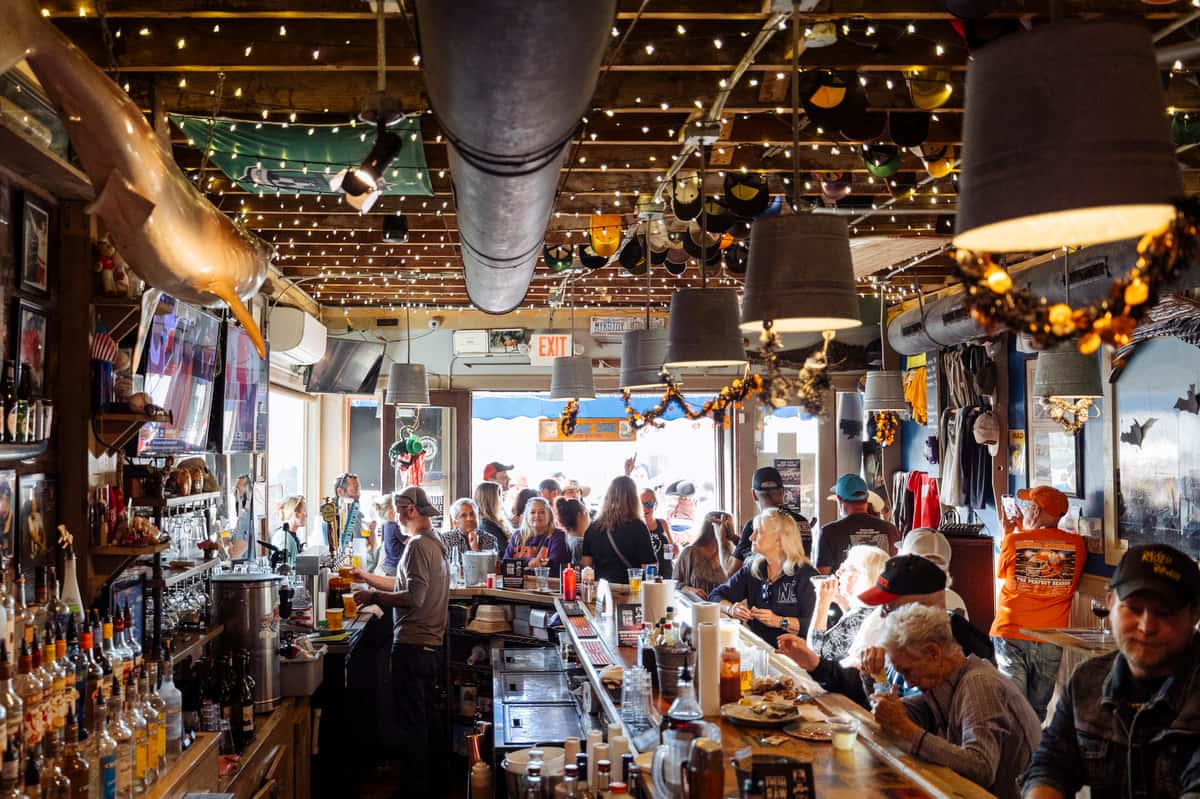
"The Shack's interior is immediately magnetic for fans of the quality dive bar," Kurt Epps wrote of the Wilmington Shack for Wilmington Today. "Hundreds of ball caps are mounted on the ceiling, the lighting is properly subdued (though the light from the open front door brightens things a bit), and there are only about 34 seats to be had, including bar seating."
The design doesn't tell the whole story, though. The Shack delivers all the best parts of a dive bar with the higher-level culinary experience guests seek out. On the oyster bar side of things, the brand brings quality, sustainably sourced seafood options to its communities. Paired with curated cocktails and beers, it delivers what would previously be found at a specialty seafood venue in an everyday dining model.
Climbing Guest Interest in the 'Best of Both Worlds'
"The hybrid model has proven to be extremely successful for us," Weathington said. "We have seafood-forward small plates, but we also offer what many would consider 'bar snacks.' We have a rustic restaurant design, but our food is presented thoughtfully. There truly is something for everyone, and because we've embraced both sides of the coin, the Shack is somewhere that people are able to feel comfortable while still getting that true culinary experience they're looking for."
This blend bodes well for guests who want Instagrammable meals in a laid-back space, and it caters to those who are looking for a group-dining, date-night or late-night spot.
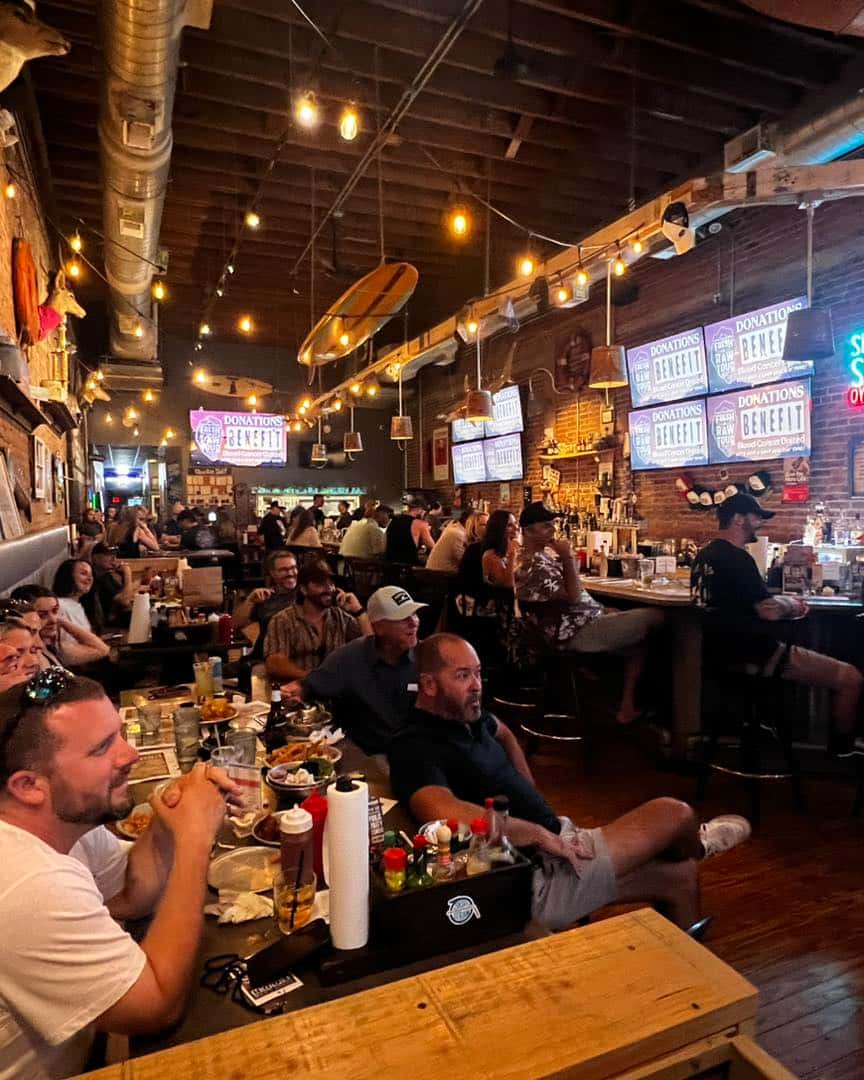
For prospective Franchise Partners, the hybrid model offers several competitive advantages that elevate it beyond traditional, single-category concepts.
Shuckin' Shack takes some of the formality out of upscale seafood dining without lowering the quality, which helps it appeal to younger guests looking for a casual hangout and older diners seeking fresh, premium seafood.
The hybrid model also gives Franchise Partners a more varied revenue mix. Beverage sales, raw bar offerings and approachable kitchen items let guests shape each visit differently while helping the business generate sales across multiple dayparts.
"From a development perspective, the adaptability of the hybrid model is one of the most compelling factors," Weathington said. "We're not stuck in a single, rigid restaurant category. We can operate in all kinds of markets and serve a diverse group of guests because, at the end of the day, demand for quality food and an unpretentious setting is universal."
The traditional split between dive bar and upscale restaurant is dissolving as more diners demand versatility and great hospitality. As hubs like Wilmington have demonstrated, the hybrid bar model isn't a fad. It's a clear signal of a broader national shift in food and beverage landscapes. By blending comfort and craft, concepts like Shuckin' Shack are proving that the future of seafood dining belongs to the concepts that truly can offer the best of both worlds.
Learn more about franchise opportunities here: https://shuckinshackfranchise.com/.